
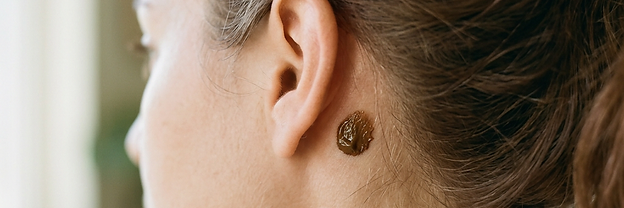
Always do a patch test
- At least 48 hours before every application, mix a small amount of the dye and apply it behind your ear or on the inner elbow.
- Leave it for the time stated in the instructions, then wait 48 hours. If you notice any redness, itching, swelling or burning, do not use the product.
- Repeat the patch test every time, even with a product you have used before — sensitisation can develop after repeated exposure.
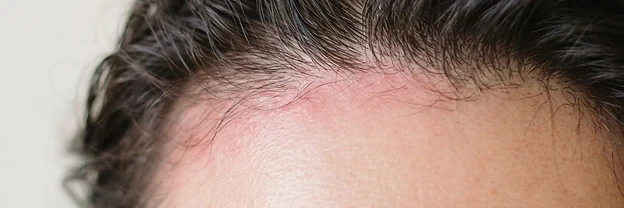
Who should not dye at home
- Do not dye your hair if you have ever had a reaction to hair dye, henna with PPD, or black henna tattoos.
- Avoid dyeing if your scalp is broken, irritated, sunburnt, or if you have a rash on the face or neck.
- If you are pregnant, breastfeeding, or have sensitive skin or allergies, check with a doctor first and prefer ammonia-free, PPD-free options where possible.

Prepare your space
- Work in a well-ventilated room — open a window to reduce fumes, especially with bleach or ammonia-based dyes.
- Cover surfaces and wear an old shirt or a towel over your shoulders. Keep children and pets away from the area.
- Never mix different dye brands or products together; each kit is formulated to be used as supplied.
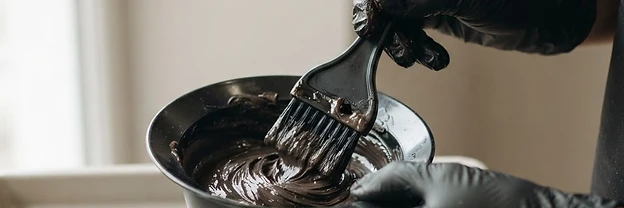
Protect yourself while applying
- Wear the gloves supplied and keep them on for the whole application and rinse-off.
- Avoid contact with eyes — if product gets in an eye, rinse immediately with plenty of lukewarm water for several minutes and seek medical advice.
- Apply petroleum jelly around your hairline and ears to protect skin from staining, but keep it off the hair you want to colour.

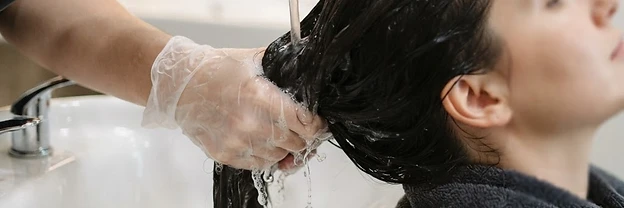
Timing and rinsing
- Stick to the exact development time printed on the leaflet — leaving dye on longer does not make the colour deeper, it increases irritation risk.
- Rinse thoroughly with lukewarm (not hot) water until the water runs clear, then use the conditioner provided.
- Do not shampoo for 24–48 hours afterwards to help the colour settle.


If you have a reaction
- Rinse the product out immediately with plenty of water if you feel burning, stinging, or intense itching during application.
- Seek medical help straight away for swelling of the face, throat, or eyes, breathing difficulty, dizziness, or a spreading rash — these can be signs of a severe allergic reaction.
- Keep the product box and ingredient list to show a healthcare professional, and report the reaction to the manufacturer.


Bleaching extra precautions
- Bleach (lightener) is harsher than dye — never apply it to a scalp that is broken or irritated, and never exceed the maximum lift recommended for your hair.
- Do not overlap bleach onto previously lightened hair, or bleach again the same day — this causes breakage.
- If hair feels gummy or stretches excessively, stop and condition deeply before any further processing.
This is general guidance only and does not replace the instructions or warnings supplied with your specific product. Always read the leaflet in the box.