
The Ultimate Guide: Dos and Don'ts of Dyeing Your Hair at Home
Hair Dye Tips, Home Hair Colour, Haircare, DIY Beauty
Discover the essential dos and don'ts of dyeing your hair at home. Get expert hair dye tips, patch test advice, and step-by-step home hair dye guidance.
Welcome to your ultimate guide to the dos and don'ts of dyeing your hair at home. Whether you are looking to cover up a few greys, refresh your roots, or completely transform your look, achieving salon-quality results in your own bathroom is entirely possible. With the right preparation, a solid understanding of home hair dye mechanics, and a few expert hair dye tips, you can avoid common disasters and achieve a beautiful, even colour.
Essential Preparation: What You'll Need
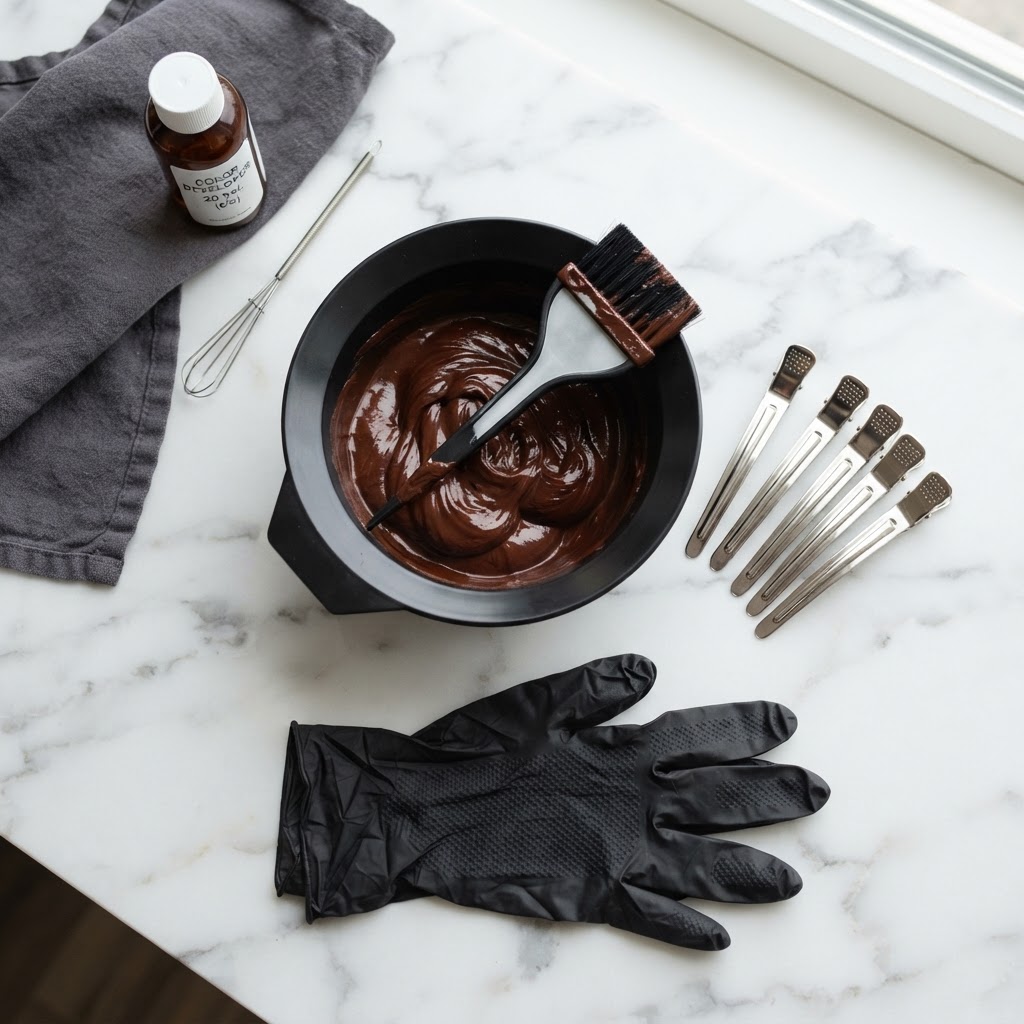
Before you even open a box of colour, preparation is key. Gathering the right tools will make the process smoother and prevent mid-dye panics.
- Two boxes of dye: If your hair is past your shoulders or particularly thick, one box simply won't be enough. As noted by How to dye your own hair at home (and avoid a disaster) | Marie Claire UK, running out of dye halfway through is a recipe for disaster.
- A non-metallic mixing bowl and tint brush: Ditch the squeezy bottle that comes in the box. A bowl and brush give you professional-level precision and ensure the product is fully mixed.
- Sectioning clips: Plastic crocodile clips are ideal for holding hair out of the way.
- Barrier cream: Petroleum jelly or a thick lip balm to protect your hairline and ears.
- Old towels and a dark t-shirt: Dye will stain, so wear something you don't mind ruining.
The Golden Rules: Home Hair Dye Dos and Donts
Navigating the world of DIY colour means following a few non-negotiable rules to protect your hair and scalp.
DO: Always Perform a Patch Test
This is arguably the most critical step. A patch test (or Allergy Alert Test) checks for severe allergic reactions to the chemicals in the dye. According to dermatologist Dr Rosemary Nixon in Dos and don'ts of colouring your hair at home, as told by experts - ABC News, hair dyeing chemicals are notorious for causing allergies. You must perform this test at least 48 hours before colouring, as recommended in Hair Dye Patch Test: Safety & Best Practices. Simply mix a tiny amount of colour and developer, apply it behind your ear with a cotton bud, and leave it for 48 hours.
DO: A Strand Test
A strand test involves applying the dye to a small, hidden section of hair to see how the colour develops. This ensures your current hair colour reacts well with the formula and gives you a preview of the final result, preventing any nasty surprises.
DON'T: Wash Your Hair Immediately Before
Freshly washed hair lacks the natural oils (sebum) that protect your scalp from the harsh chemicals in hair dye. Hair Coloring Guide: How to Color Your Hair at Home - garnier advises washing your hair at least 24 to 48 hours before your colouring session to give your scalp an extra boost of moisture and protection.
DON'T: Apply Over Previously Chemically Treated Hair Blindly
If your hair has been relaxed, permed, or dyed with henna, proceed with extreme caution. Henna contains metallic salts that can react disastrously with oxidative dyes, causing hair to smoke or melt. Always check the usage advisories on the box, as highlighted in Hair Color Top Tips For Dyeing Your Hair At Home.
Step-by-Step: How to Apply Your Colour
Ready to dye? Follow these steps for an even, professional-looking application.
- Prep your hairline: Swipe your barrier cream along your forehead, ears, and neck to prevent skin staining.
- Brush and section: Ensure your hair is completely tangle-free. Divide your hair into four neat quadrants: part down the middle from forehead to nape, and then across from ear to ear. Clip away three sections.
- Mix your colour: In your non-metallic bowl, mix your colourant and developer. If you are buying professional tubes, a 10-volume developer is great for depositing colour darker, while a 20-volume developer is standard for grey coverage and 1-2 levels of lift.
- Apply to the roots first: Start at the roots of the front sections, as these are the most visible and often need the longest processing time. Use the tail of your tint brush to take fine, 1cm slices of hair, applying the dye meticulously to the regrowth.
- Pull through (if necessary): If you are refreshing faded ends, only pull the colour through to the mid-lengths and ends for the last 5-10 minutes of processing. Applying permanent dye to the ends for the full 30-45 minutes will result in over-processed, overly dark ends.
- Wait and rinse: Leave the colour to develop for the exact time stated in the instructions. Rinse thoroughly until the water runs completely clear.
Aftercare: Keeping Your Colour Fresh
Once you've achieved your dream shade, you need to maintain it.
- Wait 48 hours to shampoo: Give the hair cuticle time to fully close and lock in the colour molecules.
- Use colour-safe products: Switch to sulphate-free shampoos and conditioners designed for colour-treated hair to prevent premature fading.
- Turn down the heat: Hot water opens the hair cuticle, allowing colour to wash down the drain. Rinse your hair with lukewarm or cool water.
Common Mistakes to Avoid
Even seasoned DIYers can fall into these traps:
- Forgetting that colour cannot lift colour: If you currently have dark brown dyed hair, applying a blonde box dye will not make you blonde. It will only damage your hair and potentially lighten your natural roots, leaving you with "hot roots" (bright orange roots and dark ends). As Hair Color Top Tips For Dyeing Your Hair At Home explains, you must use a colour stripper or bleach to lighten previously dyed hair.
- Ignoring your skin tone: When choosing a shade, consider your undertones. Ash and burgundy flatter cool skin tones, while golden, copper, and mahogany suit warm skin tones.
FAQ
How long should I leave home hair dye on?
Always follow the manufacturer's instructions, but generally, permanent hair dye processes for 30 to 45 minutes. Stubborn greys often require the full 45 minutes to ensure complete coverage.
Can I dye my hair if it's wet?
Most permanent and demi-permanent home hair dyes are designed to be applied to dry, unwashed hair. Applying dye to wet hair can dilute the developer, resulting in a patchy or sheer colour.
What should I do if the colour is too dark?
Don't panic. Wash your hair a few times with a clarifying shampoo or an anti-dandruff shampoo, which can help strip out some of the excess pigment. If it's still too dark, consult a professional rather than reaching for bleach.
Sources
- How to dye your own hair at home (and avoid a disaster) | Marie Claire UK
- Dos and don'ts of colouring your hair at home, as told by experts - ABC News
- Hair Dye Patch Test: Safety & Best Practices
- Hair Coloring Guide: How to Color Your Hair at Home - garnier
- Hair Color Top Tips For Dyeing Your Hair At Home