
The Dos and Don'ts of Dyeing Your Hair at Home: An Expert Guide
hair dye tips, home hair dye, patch test, hair colour guide, DIY beauty
Master the dos and don'ts of dyeing your hair at home with our expert guide. Discover essential hair dye tips, patch test rules, and step-by-step advice.
Welcome to HairColourChart.online! Whether you are looking to cover up a few greys, refresh your current shade, or try a completely new look, mastering the dos and don'ts of dyeing your hair at home is essential for achieving salon-worthy results. While DIY hair colouring can save you time and money, it requires careful preparation and the right techniques to avoid a hair disaster. Let's dive into the ultimate expert hair dye tips to ensure your home hair dye experience is safe, successful, and stunning.
Essential Preparation: What You'll Need
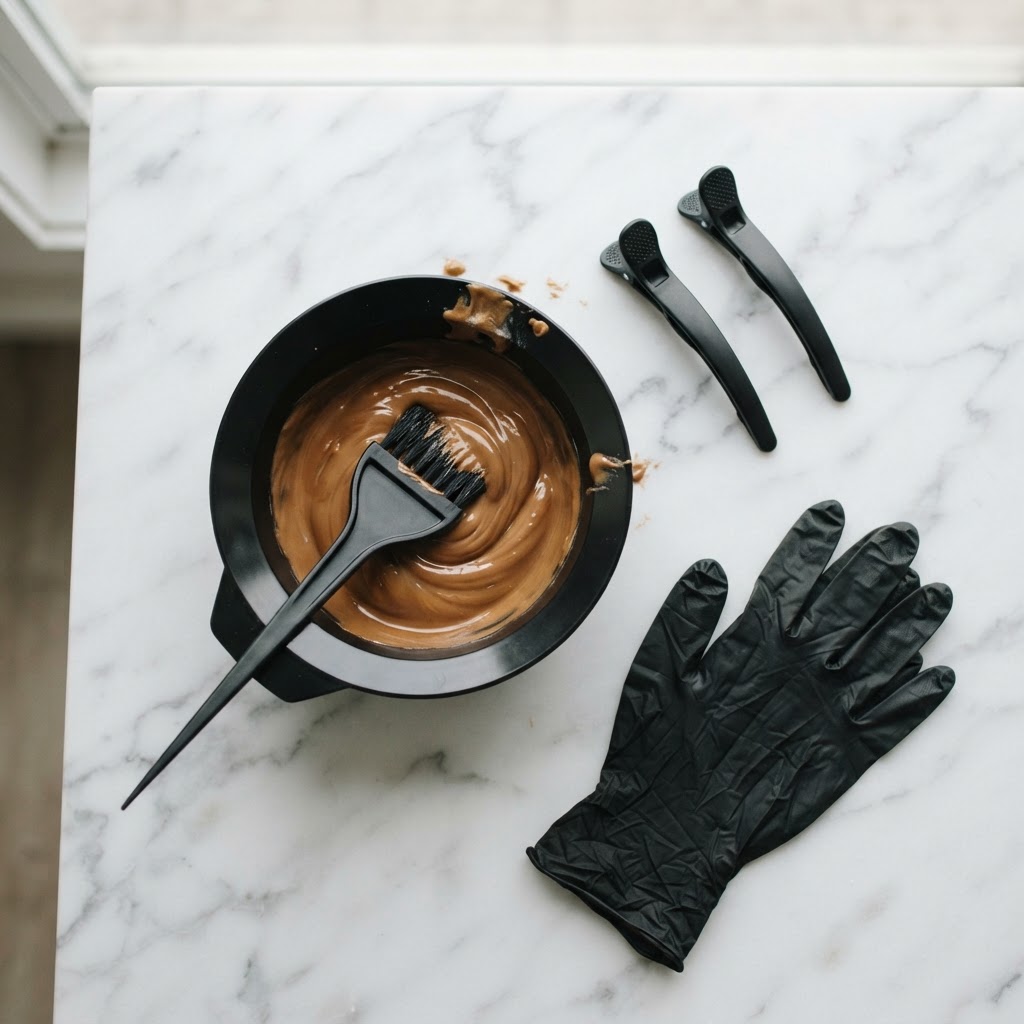
Before you even open a box of colour, setting up your workstation is crucial. Using professional-style tools will give you much better precision than relying solely on the squeezy bottle provided in most kits.
- A non-metallic mixing bowl and tint brush: As noted by experts, mixing your developer and colourant in a non-metallic bowl allows for precise application and complete saturation Hair Coloring Guide: How to Color Your Hair at Home - garnier. A tint brush helps you paint the colour exactly where it needs to go Expert Tips on Colouring Your Hair at Home - Josh Wood.
- Sectioning clips: Plastic clips to divide your hair into manageable sections.
- Barrier cream: Petroleum jelly or a thick moisturiser to protect your hairline and ears from staining.
- The right developer: If you are buying professional tubes, remember that 10 volume developer is for depositing colour (going darker), while 20 volume is standard for grey coverage and 1-2 levels of lift.
The Golden Rule: Always Do a Patch Test
If there is one non-negotiable rule in hairdressing, it is the allergy alert test. A patch test is a small but vital step to check for potential allergic reactions to ingredients like paraphenylenediamine (PPD), which can cause severe contact dermatitis Hair Dye Patch Test: Safety & Best Practices.
How to do a patch test at home:
- Mix a coin-sized amount of your colour and developer.
- Apply it behind your ear using a cotton bud.
- Leave it undisturbed for exactly 48 hours How to do a hair dye allergy patch test at home?.
- Crucially, ensure you fasten the caps on your bottles tightly after opening them for the test so the active ingredients do not oxidise and become ineffective How to dye your own hair at home (and avoid a disaster) | Marie Claire UK.
If you experience any redness, itching, or swelling, wash it off immediately and do not proceed with the colour.
The Dos and Donts of Home Hair Dye
Navigating the chemical process of colouring requires a bit of know-how. Keep these dos and donts in mind:
DO consider your starting point and skin tone. Your natural (or current) hair colour dictates your result. Remember the golden rule of colour correction: colour cannot lift colour. If your hair is already dyed dark brown, applying a blonde box dye will not lighten it; it will only damage it Hair Color Top Tips For Dyeing Your Hair At Home.
DON'T attempt complex highlights with a cap. Highlights are notoriously difficult to do yourself. Avoid box dyes that come with outdated, pull-through scalp caps, as these often result in patchy, "leopard spot" roots Hair Dye At Home Tips. If you want subtle lightness, try painting a few face-framing pieces with a clean toothbrush for a natural, sun-kissed look How to dye your own hair at home (and avoid a disaster) | Marie Claire UK.
DO a strand test. Alongside your patch test, apply the mixture to a small, hidden section of hair. This allows you to see exactly how the formula reacts with your current colour, ensuring you don't end up with a swampy green or brassy orange surprise How to dye your own hair at home (and avoid a disaster) | Marie Claire UK.
DON'T dye over henna or heavily processed hair. If your hair has been previously dyed with henna, or heavily bleached and relaxed, applying permanent home hair dye can cause severe chemical reactions, including hair breakage or melting Hair Color Top Tips For Dyeing Your Hair At Home.
Step-by-Step Guide to Flawless Colour
Ready to apply? Follow these steps for an even, professional-looking finish:
- Divide and conquer: Brush your hair thoroughly to remove tangles. Divide your hair into four to six neat sections (down the middle, and from ear to ear) and secure them with clips Hair Coloring Guide: How to Color Your Hair at Home - garnier.
- Mix your colour: Put on your gloves. In your non-metallic bowl, mix the colourant and developer (usually a 1:1 ratio, but always read the manufacturer's instructions).
- Apply strategically: If you are touching up roots, apply the dye only to the new growth. Overlapping permanent colour onto previously dyed hair causes "banding" (dark, heavy stripes) and unnecessary damage. If colouring virgin hair, apply to the mid-lengths and ends first, leaving the roots until the last 15 minutes (the heat from your scalp makes roots process faster).
- Process: Leave the dye on for the exact time stated on the box—usually 30 to 45 minutes. Do not guess, and do not wash it off early.
- Rinse and condition: Rinse thoroughly with lukewarm water until it runs clear. Apply the deep conditioner provided in the kit to seal the hair cuticle.
Aftercare for Long-Lasting Colour
Once you have achieved your dream shade, you need to protect it. Wait at least 48 hours before shampooing your hair to allow the cuticle to fully close and lock in the pigment. Switch to a sulphate-free shampoo for colour-treated hair, as harsh sulphates will strip your new colour prematurely.
FAQ
How long do you leave hair dye on for a patch test?
You must leave the patch test on your skin for a full 48 hours. Allergies can be delayed, and this is the clinically recommended time to ensure your safety How to do a hair dye allergy patch test at home?.
Is 24 hours enough for a hair dye patch test?
No. Always leave your patch test for 48 hours to be completely safe. A 24-hour window may miss delayed allergic reactions How to do a hair dye allergy patch test at home?.
Can I shower after doing a patch test?
Yes, you can shower, but you must be careful to avoid washing the test area behind your ear How to do a hair dye allergy patch test at home?.
Why did my roots turn out lighter than the rest of my hair?
This is known as "hot roots." It happens because the heat from your scalp accelerates the chemical reaction of the dye. To avoid this on virgin hair, apply dye to your mid-lengths and ends first, and tackle the roots last.
Sources
- Hair Dye Patch Test: Safety & Best Practices
- Hair Dye At Home Tips
- How to do a hair dye allergy patch test at home?
- Hair Color Top Tips For Dyeing Your Hair At Home
- How to dye your own hair at home (and avoid a disaster) | Marie Claire UK
- Hair Coloring Guide: How to Color Your Hair at Home - garnier
- Expert Tips on Colouring Your Hair at Home - Josh Wood