
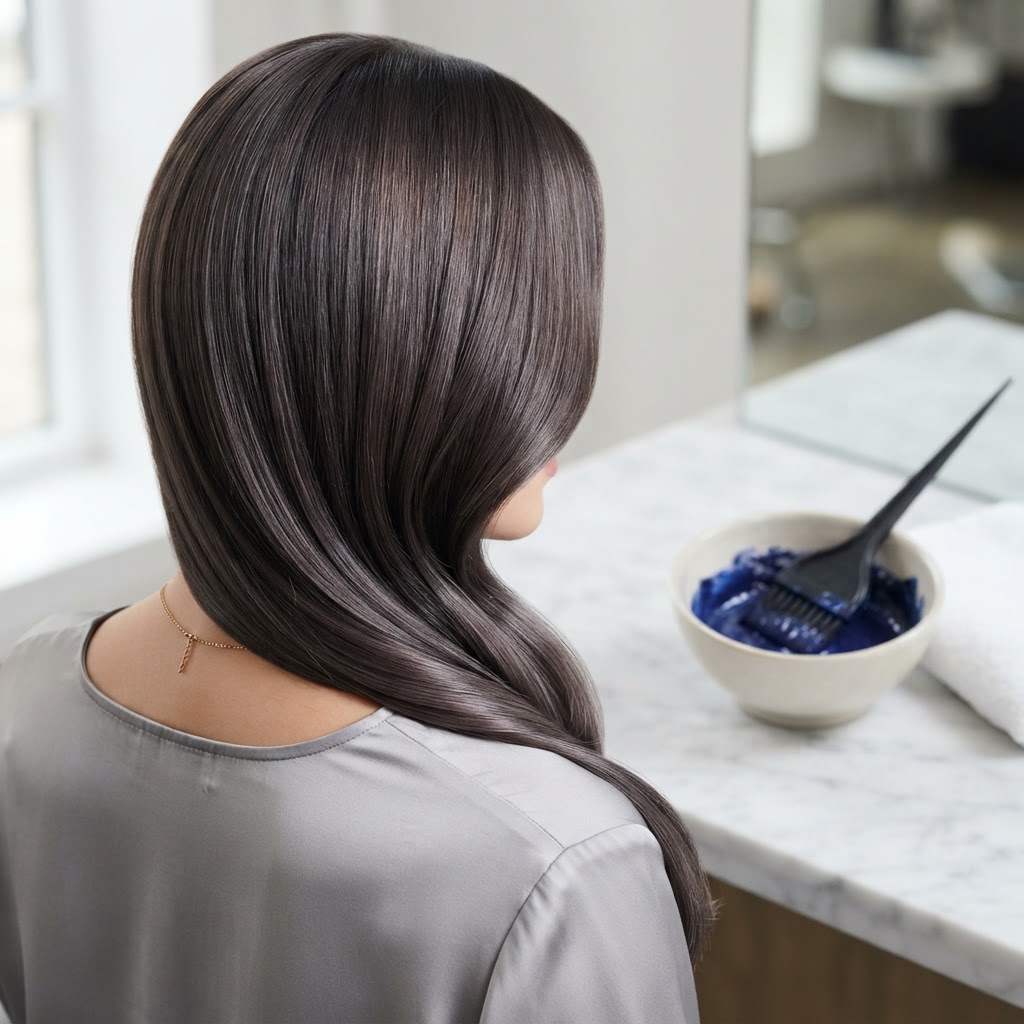
How to Fix Brassy Orange Hair with Toner at Home
hair toner, brassy hair, orange hair, toning, hair colour correction, at-home hair dye
Discover how to fix brassy orange hair with toner at home. Our expert UK guide covers the best products, step-by-step tips, and aftercare for flawless toning.
The Reality of Brassy Orange Hair
Welcome to the club! If you have recently bleached your dark hair and ended up looking more like a rusty penny than a cool-toned goddess, do not panic. Learning how to fix brassy orange hair with toner is a rite of passage for anyone colouring their hair at home. Whether you were aiming for a bright blonde, a cool mushroom brown, or a soft balayage, brassy hair is an incredibly common hurdle. The good news is that with the right hair toner and a little bit of patience, you can neutralise those unwanted warm tones and achieve the salon-worthy finish you originally envisioned.
Why Does Hair Turn Orange?
To understand how to fix the problem, it helps to know why it happens in the first place. When you lighten your hair, the bleach or lifting agent strips away your natural colour. However, all hair has underlying warm pigments at its base. Dark brown and black hair have natural red and orange pigments, while lighter brown and blonde hair have yellow undertones How To Tone Brassy Hair At Home | Fudge Professional.
When you apply bleach, it lifts these pigments in stages. If the lightening process stops before it has completely broken down the underlying warmth, you are left with exposed orange or yellow tones. This is especially common when trying to lift dark hair by several levels in a single session. Environmental factors like hard water minerals, UV exposure, and heat styling can also cause your dyed colour to fade over time, revealing the brassy orange hair underneath How to Get Rid of Orange Hair: Fixing Brassiness for Good | Virtue Labs.
The Colour Wheel: Why Blue is Your Best Friend
To fix orange hair, we need to look at basic colour theory. Remember the colour wheel from primary school art classes? Colours that sit directly opposite each other on the wheel are complementary, meaning they cancel each other out when mixed.
Because blue sits directly opposite orange, a blue-based hair toner will neutralise those warm, brassy tones How to Tone Orange Hair: Easy Fixes for Brassiness. The blue pigments swoop in and counteract the orange, leaving you with a cool, balanced, and natural-looking colour. This is exactly why purple products are used for yellow tones (as purple is opposite yellow), and blue products are essential for orange nightmares.
What You Will Need for Toning at Home
Before you begin toning, make sure you have the right tools. Preparation is key to achieving an even, professional result.
- Blue-Based Hair Toner: Look for a demi-permanent toner specifically formulated with blue or ash undertones.
- Developer: You will need a low-volume developer to activate the toner. A 10-volume developer is ideal because it deposits colour without lifting the hair cuticle further, which helps prevent additional damage.
- Tint Bowl and Brush: For precise, even application.
- Sectioning Clips: To ensure you do not miss any patches of hair.
- Gloves and an Old T-Shirt: Toning can be messy, and blue pigments can stain skin and fabrics.
- Sulphate-Free Shampoo and Conditioner: For washing out the mixture gently.
Step-by-Step: How to Apply Hair Toner
Ready to banish the brass? Follow these practical steps to tone your hair safely and effectively at home.
1. Prep Your Hair and Workspace
Start with clean, towel-dried hair. Toning on damp hair helps the product distribute more evenly and prevents it from grabbing too quickly on porous ends. Put on your gloves and section your hair into four quadrants using your clips.
2. Mix the Toner and Developer
In your tint bowl, mix your blue-based toner with the 10-volume developer. The standard ratio is usually 1 part toner to 2 parts developer (1:2), but always read the manufacturer's instructions on your specific product. Mix thoroughly until you have a smooth, gel-like consistency.
3. Apply Strategically
Using your tint brush, start applying the mixture to the areas that are the most orange—usually the mid-lengths and roots. Work in small, thin sections to ensure every strand is saturated. Once the brassiest parts are covered, pull the remaining toner through to the ends of your hair. The ends are often more porous and will absorb colour faster, so they need less processing time.
4. Watch the Clock
Processing times vary, but generally, you should leave the toner on for 15 to 30 minutes How to Tone Orange Hair: Easy Fixes for Brassiness. Do not just set a timer and walk away; keep a close eye on your hair. Wipe a small amount of product off a test strand every 5 minutes to check the colour development. Once the orange has neutralised into a cool tone, it is time to rinse.
5. Rinse and Condition
Rinse your hair thoroughly with lukewarm water until the water runs clear. Follow up with a deep, hydrating conditioner or a hair mask. Bleaching and toning can leave hair feeling dry, so restoring moisture is a crucial step.
Common Toning Mistakes to Avoid
Even with the best intentions, at-home toning can go awry. Here are the most common pitfalls to avoid:
- Using Purple Shampoo on Orange Hair: This is the most frequent mistake! Purple shampoo cancels out yellow, not orange. If your hair has strong orange undertones, you must use a blue toning product How to Get Orange Tone Out of Your Hair At Home. Applying purple to orange hair will not give you the results you want.
- Using Too High a Developer: Using a 20-volume or 30-volume developer with a toner can unnecessarily lift your base colour, exposing even more warmth and causing excess damage. Stick to 10-volume or under for depositing tone.
- Toning Over Severely Damaged Hair: If your hair is breaking or feels like chewing gum when wet, step away from the chemicals. Focus on protein treatments and bond builders before attempting to tone.
Aftercare: Keeping Brassiness at Bay
Once you have achieved your perfect cool-toned shade, you need to maintain it. Toners are demi-permanent, meaning they will eventually wash out.
- Wash Your Hair Less: Every time you wash your coloured hair, the pigment and toner fade. Try to allow more time between washes to keep your hair vibrant for longer how to fix and prevent brassy hair: 10 top tips - John Frieda. Use dry shampoo to bridge the gap.
- Invest in a Blue Shampoo: Incorporate a blue toning shampoo into your routine once a week to continuously neutralise any creeping orange tones.
- Shower Smart: Hard water is notorious for stripping hair colour and depositing brassy minerals. Consider installing a showerhead water filter to protect your freshly toned locks.
- Use Heat Protection: Hot styling tools can literally burn the toner out of your hair, revealing the brass underneath. Always use a high-quality heat protectant spray before blow-drying or straightening.
FAQ: Your Toning Questions Answered
What colour cancels out brassy orange hair?
Blue is the colour that cancels out orange. Because blue sits directly opposite orange on the colour wheel, it acts as a neutraliser. You should look for blue-based toners, ash dyes, or blue shampoos to correct orange brassiness.
How long should I leave the toner on to get rid of orange?
Typically, a demi-permanent toner mixed with a low-volume developer should be left on for 15 to 30 minutes. However, hair porosity varies greatly. Always perform a strand test and check the colour every 5 minutes during the process to ensure it does not go too dark or grab too much blue pigment.
Can I fix orange hair without using a chemical toner?
Yes, for mild brassiness, you can use a highly pigmented blue shampoo or a colour-depositing conditioner mask. These do not require a developer and are completely damage-free, though the results are more temporary than a traditional mixed toner.