
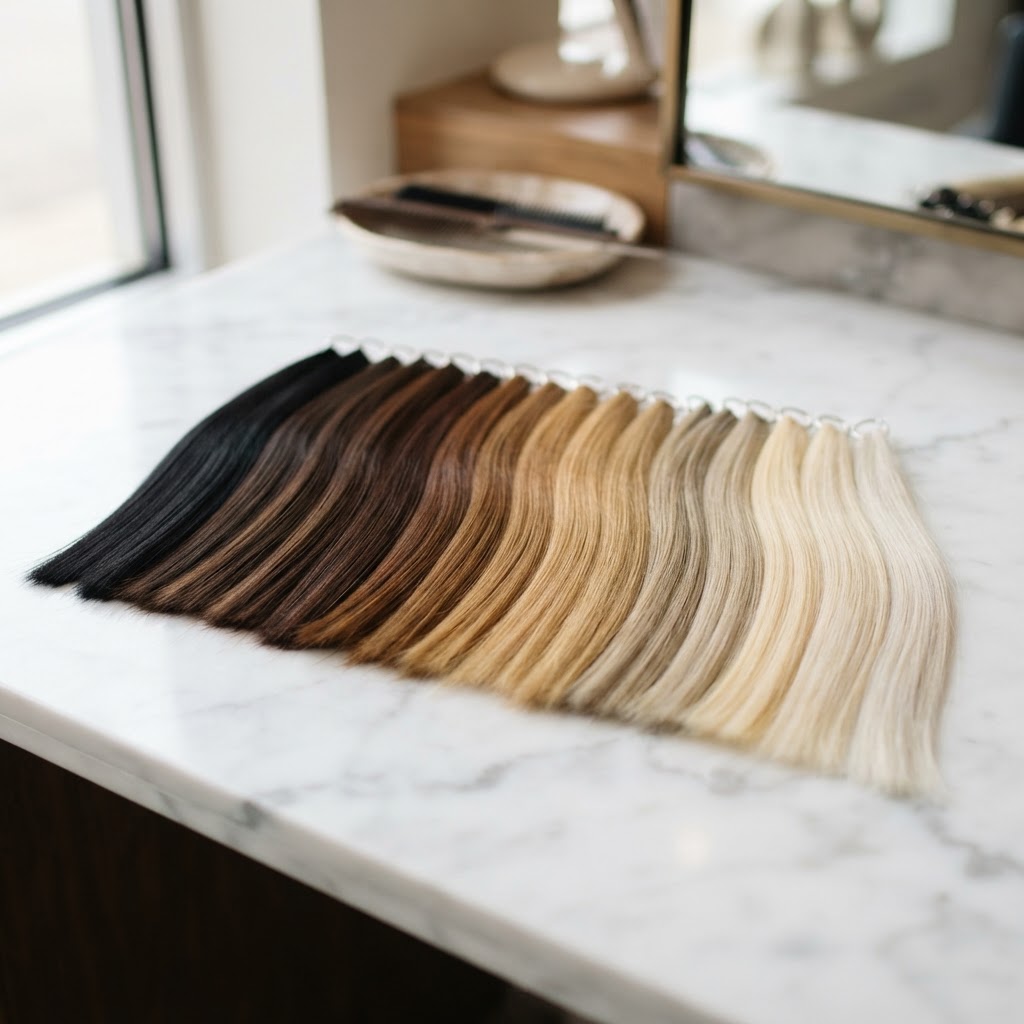
Hair color levels explained: the 1 to 10 depth chart
hair colour, hair levels, at-home dyeing, developer volume, shade depth
Master your at-home dye job with our guide to hair color levels explained: the 1 to 10 depth chart. Learn to find your shade depth and choose the right dye!
Welcome to HairColourChart.online! If you have ever stared at a box of hair dye and wondered what the numbers actually mean, you are not alone. Achieving salon-quality results at home starts with understanding the fundamentals of colour theory. Having hair color levels explained: the 1 to 10 depth chart is your ultimate starting point for predictable, beautiful results.
Whether you are looking to cover stubborn greys, lift your base for summer, or simply enhance your natural hue, understanding the hair level system is the secret to avoiding brassy disasters and overly dark mistakes. Let us dive into the world of shade depth and how you can use it to formulate your perfect colour at home.
What is the Hair Level System?
The hair level system is a universal numbering scale used by professionals and at-home dye brands alike to measure how light or dark a hair colour is. According to Hair Color Levels 1-10 Chart For Colorists, this scale runs from 1 to 10, where level 1 is the darkest black and level 10 is the lightest, palest blonde.
It is crucial to understand that a hair colour level only describes the depth of the colour, not the tone. Tone refers to the warmth or coolness of the hair (such as ash, gold, copper, or red). For example, a level 6 dark blonde can be a warm golden dark blonde or a cool ash dark blonde. The shade depth remains a 6, but the tone changes how the colour reflects light. As noted in What Are Hair Levels? A Guide to Your Hair Depth and Tone, hair colour is always a combination of both level and tone.
The 1 to 10 Depth Chart Breakdown
To successfully dye your hair at home, you need to know where your starting colour sits on the depth chart. Here is the universal breakdown of hair colour levels:
- Level 1: Black (The darkest shade, absorbing almost all light)
- Level 2: Very Dark Brown / Soft Black
- Level 3: Dark Brown
- Level 4: Medium Brown
- Level 5: Light Brown
- Level 6: Dark Blonde
- Level 7: Medium Blonde
- Level 8: Light Blonde
- Level 9: Very Light Blonde
- Level 10: Extra Light Blonde / Platinum
Some professional charts occasionally extend to levels 11 or 12 for ultra-high-lift blondes, but for standard at-home colouring, the 1 to 10 scale is your primary reference.
How to Determine Your Natural Shade Depth
Before you mix any developer or apply any colour, you must accurately assess your current shade depth. Misjudging your starting level is the number one reason at-home dye jobs go wrong. Follow these steps to find your true level:
- Use Natural Light: Bathroom lighting can cast yellow or harsh white tones that distort your hair's true depth. Always check your hair near a window during daylight hours, as recommended by What is My Hair Color Level? How it Affects Dye Results.
- Check the Nape of Your Neck: The hair around your face and crown is often naturally lightened by the sun. To find your true natural base, lift your hair and look at the roots at the nape of your neck.
- Isolate a Section: Take a small section of hair, fan it out, and compare it directly to a physical or digital colour chart.
- Account for Grey Hair: Grey hair lacks melanin and can visually dilute your overall colour, making your hair appear lighter than it actually is. When determining your natural level, look at the pigmented strands, not the white ones.
Choosing the Right Developer Volume for Lift
Once you know your starting level and your target level, you need to choose the correct developer. Developer (hydrogen peroxide) is what opens the hair cuticle and lifts your natural pigment. The volume of developer dictates how many levels you can safely move up the depth chart.
According to Hair Color Level Chart 1–10, here is a practical guide to developer volumes:
- 10 Volume (3%): Provides zero lift. Use this for depositing colour only, toning brassy highlights, or colouring hair darker than your current level.
- 20 Volume (6%): The standard for at-home dyeing and grey coverage. It provides 1 to 2 levels of lift. If you are a level 5 and want to be a level 6, this is your go-to.
- 30 Volume (9%): Provides 2 to 3 levels of lift. Ideal for noticeable lightening, but requires careful timing to avoid damage.
- 40 Volume (12%): Provides maximum lift (up to 4 levels). This is highly potent and generally recommended for professional use only, as it can cause severe damage to compromised hair.
Safety Step: Never attempt to lift your hair more than 2 levels lighter with standard box dye. If you are a level 3 and want to be a level 8, you will need to use bleach (lightener) first, followed by a toner.
Common Mistakes When Reading Hair Colour Levels
Even with a chart in hand, it is easy to make a misstep. Here are the most common pitfalls to avoid:
- Confusing Tone with Level: Ashy tones absorb light and often look one level darker than they are. Golden or warm tones reflect light and can appear a level lighter. Always focus on the depth, not the reflect.
- Ignoring the Underlying Pigment: When you lift hair, you expose its underlying pigment. Lifting a level 4 brown to a level 6 blonde will expose strong red-orange undertones. You must choose a dye with a cool (ash or green/blue) tone to neutralise this warmth.
- The Grey Hair Illusion: As highlighted by Hair Color Levels 1-10 Chart For Colorists, a head of hair with 50% grey might look like a level 7 from afar, but the natural pigmented hair might actually be a level 5. If you formulate for a level 7, your grey coverage will be translucent and ineffective.
Aftercare for Your New Shade Depth
Maintaining your newly achieved level requires proper aftercare. Lightened hair is more porous and prone to fading and brassiness.
- Use Colour-Safe Shampoo: Sulphate-free formulas prevent premature fading.
- Incorporate Toning Products: If you lifted your hair to a level 8 or above, use a purple shampoo once a week to neutralise yellow tones. For brunettes (levels 3-5), a blue shampoo will keep unwanted orange tones at bay.
- Deep Condition: Chemical processing alters the hair's moisture balance. Use a hydrating mask weekly to keep the cuticle smooth, which helps lock in your shade depth.
FAQ
What is the difference between hair colour level and tone?
Hair colour level refers strictly to the lightness or darkness of the hair on a scale of 1 to 10. Tone refers to the character of the colour, such as warm (gold, copper), cool (ash, violet), or neutral.
Are hair colour numbers universal across all brands?
The 1 to 10 depth chart is universally used across almost all professional and drugstore brands, meaning a level 6 is a dark blonde everywhere. However, the letters or decimal numbers that follow the level (which indicate tone) can vary by brand, as explained in How to Read the Hair Color Numbering System.
Can I go from a level 2 to a level 8 at home?
It is highly discouraged to attempt this jump with a single box dye. Standard permanent colour can only lift virgin hair up to 3 levels. To go from a level 2 (very dark brown) to a level 8 (light blonde), you must use a bleach lightener to strip the dark pigment, followed by a level 8 toner to deposit the desired shade.
Why did my roots turn out lighter than the rest of my hair?
This is known as "hot roots." The heat from your scalp causes the developer to process faster at the root area. Additionally, if you applied a lighter level dye to previously coloured dark hair, the virgin roots will lift, but the previously dyed mid-lengths and ends will not, as colour cannot lift colour.